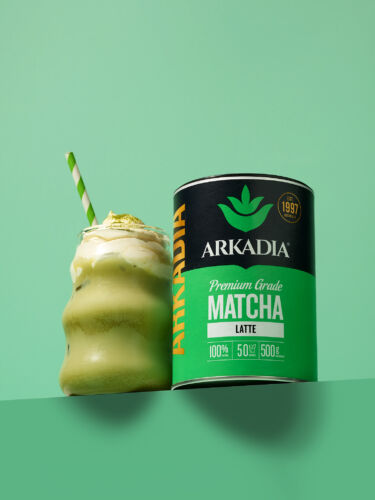
Making matcha at home is a lot simpler than it looks. You don’t need fancy equipment or barista skills. All you really need is good matcha powder, some hot water and a whisk.
Below we’ll walk you through the basics, then get into recipes for hot matcha lattes, iced matcha, flavoured lattes, cold foam drinks and matcha spritz cocktails you can make at home or add to a café menu.
What You Need to Make Matcha at Home
Here’s what to have on hand:
- Matcha powder. Ceremonial grade is best for lattes and drinking straight. Premium grade works well in flavoured drinks where the matcha isn’t the only star.
- A whisk. A bamboo chasen is traditional, but a handheld electric frother does the job.
- Hot water. Not boiling. Around 70–80°C. Boiling water makes matcha taste bitter.
- Milk. Whatever you like. Oat milk is popular for its creaminess. Dairy, almond, soy and coconut all work.
- Sweetener (optional). Flavoured syrups, honey or liquid sugar if you want to take the edge off the earthiness.
How Much Matcha Powder Per Cup?
For a standard matcha latte, use 1–2 teaspoons of matcha powder (about 2–4 grams). If you’re new to matcha, start with 1 teaspoon. It has a strong, earthy flavour that can be a lot if you’re not used to it. You can always add more.
For a matcha latte blend (which already has milk solids mixed in), use 2–3 teaspoons per cup.
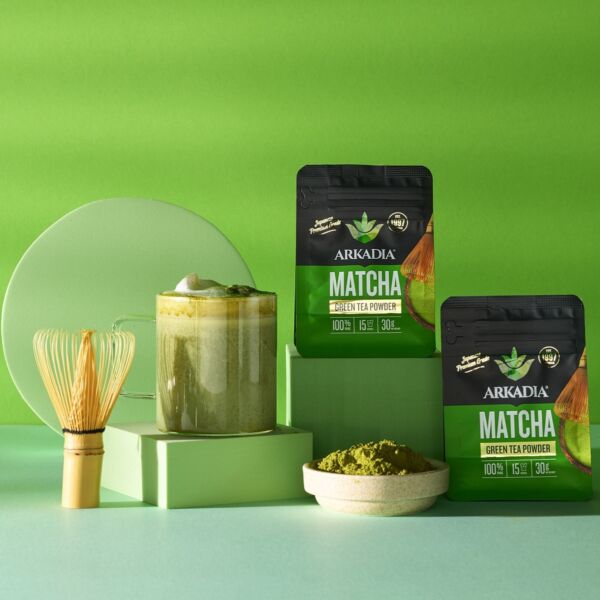
How to Make Matcha Tea (The Basic Method)
Every matcha recipe starts the same way. Get this right and everything else is easy.
- Sift the matcha through a fine mesh strainer into a cup or bowl. This breaks up the clumps.
- Add about 50 mL of hot water. Let the kettle sit for a minute after boiling so it cools slightly.
- Whisk quickly in a W or zigzag motion for about 15–20 seconds until smooth and slightly frothy.
That’s your matcha base. From here you can drink it straight, add steamed milk for a latte, or pour it over ice.
How to Make a Matcha Latte (Hot)
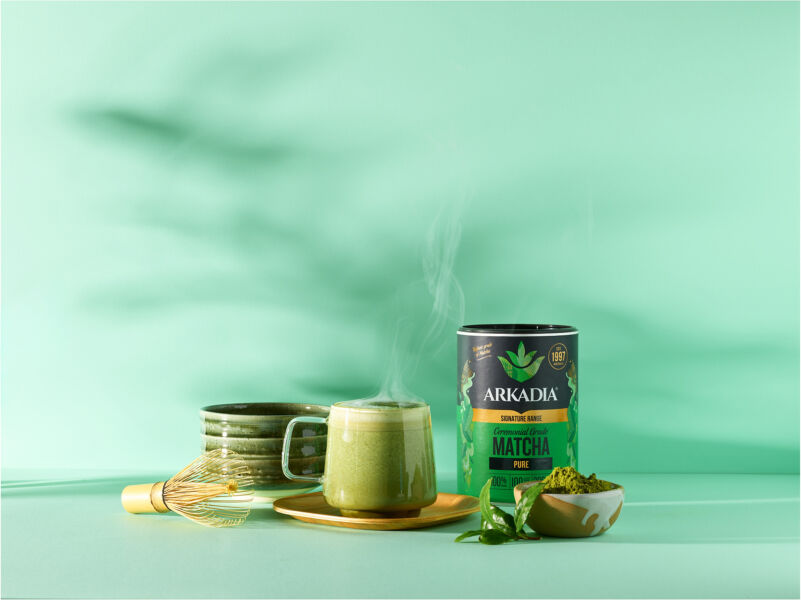
- 1–2 tsp matcha powder
- 50 mL hot water
- 180 mL steamed milk
- Sweetener if you want it
Whisk the matcha with hot water until smooth. Pour in steamed milk and stir. Done. The whole thing takes about two minutes.
How to Make Iced Matcha
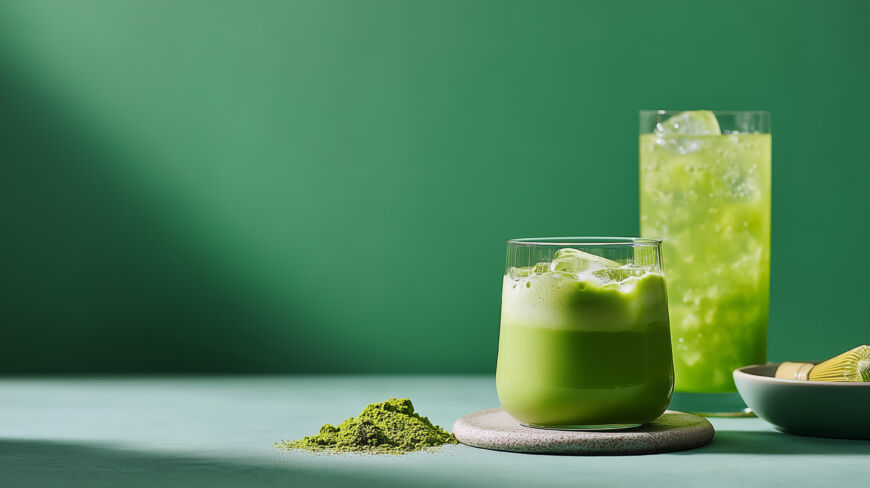
The trick with iced matcha is that you still need hot water to dissolve the powder first. Don’t try to mix matcha straight into cold milk. It won’t work. You’ll just get a clumpy mess.
- Whisk matcha with 50 mL hot water until smooth.
- Fill a glass with ice and pour in cold milk (120–180 mL).
- Pour the matcha over the top slowly.
Pour slowly over the back of a spoon if you want that layered look where the green sits on top of the white milk.
Flavoured Matcha Recipes
Once you’ve got the basics down, you can start playing with flavour. These all follow the same logic: build a flavoured milk or fruit base, then add the matcha.
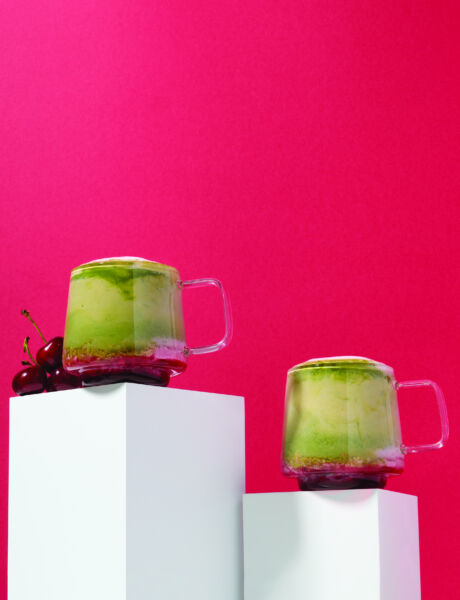
Cherry Matcha Latte
Add 2 pumps of cherry syrup to a cup. Pour in steamed milk and stir. Whisk your matcha with hot water separately, then add it to the cup. Tart and creamy. Works hot or iced.
See full Cherry Matcha Latte recipe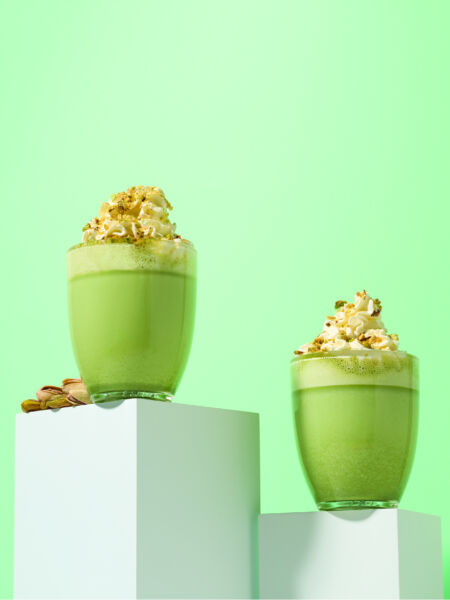
Pistachio Matcha Latte
Use 2–4 pumps of pistachio syrup as the base, whisk matcha with hot water, combine with steamed milk. Top with whipped cream and crushed pistachios. This one looks incredible and tastes nutty and rich.
See full Pistachio Matcha Latte recipe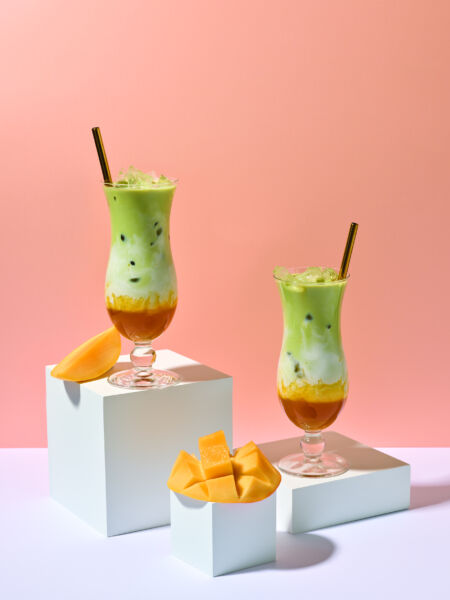
Mango Matcha Iced Latte
Mix 60 mL mango smoothie mix with cold milk. Add ice. Whisk matcha with hot water and pour over the top for a tropical layered drink. The orange and green contrast looks amazing.
See full Mango Matcha Iced Latte recipe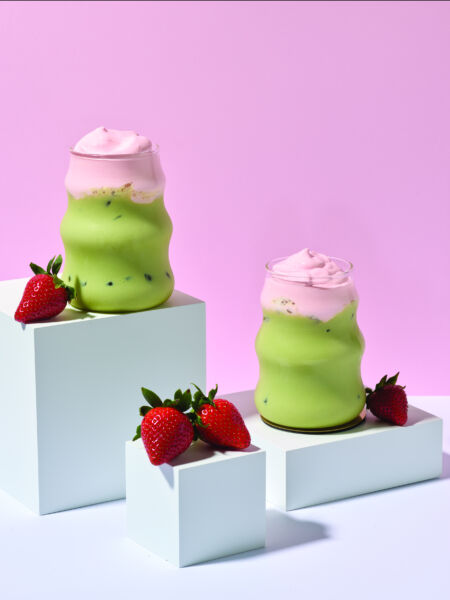
Iced Strawberry Matcha
This one uses a strawberry cold foam on top. Froth 50 mL thickened cream with 2 pumps of strawberry syrup and a splash of milk until thick but pourable. Build an iced matcha latte in a glass, then spoon the pink foam on top. Add a drop of food colouring before frothing if you want a deeper pink.
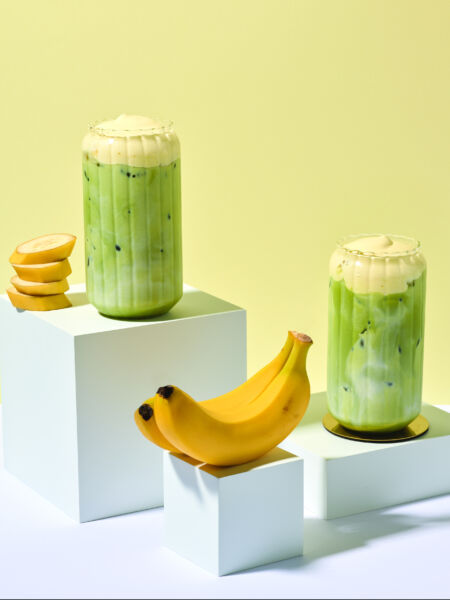
Banana Cream Matcha Iced Latte
Blend a ripe banana with half a cup of heavy cream, a splash of milk, a pinch of salt and a pump of liquid sugar for about 30 seconds. Don’t over-blend or the cream will split. Build an iced matcha latte, then spoon the banana cream on top. Rich and dessert-like.
See full Banana Matcha Iced Latte RecipeCold Foam Matcha Lattes
Cold foam is just flavoured cream frothed until thick and spooned on top of an iced drink. It’s one of the easiest ways to make a matcha latte look and taste like it came from a specialty café.
The method is the same for all three:
- Lavender cold foam: Heavy cream + lavender syrup. Garnish with dried lavender.
- Rose cold foam: Heavy cream + rose syrup. Dried rose petals on top.
- Strawberry cold foam: Heavy cream + strawberry syrup. A splash of milk if needed.
Matcha Spritz Drinks (No Milk)
If you want something lighter, swap the milk for sparkling water. These make great non-alcoholic drinks and work well on a café menu as a refreshing alternative.
Same base method for all: whisk matcha with a small amount of hot water, combine syrup + sparkling water + ice in a glass, pour the matcha over the top.
- Peach spritz: 3–4 pumps peach syrup + 150 mL sparkling water. Crisp and fruity.
- Coconut spritz: 1 pump coconut syrup + 1–2 pumps liquid sugar + 200 mL sparkling water. Tropical.
- Lemonade spritz: 3–4 pumps lemonade syrup + 200 mL sparkling water. Tangy and bright.
Quick Tips for Better Matcha
- Don’t use boiling water. Let it cool for a minute. Too hot and the matcha goes bitter.
- Always dissolve in hot water first, even for iced drinks.
- Store matcha in an airtight container away from light and heat. Use it within a few weeks of opening.
- If pure matcha is too strong, try a matcha latte blend. It has milk solids mixed in and gives a smoother, less bitter result.
- No whisk? An electric frother, small blender or even a sealed jar you can shake will work.
Most Common Questions About Matcha
What milk is best for matcha lattes?
Oat milk is a popular choice because it’s creamy and doesn’t overpower the matcha. It’s creamy and doesn’t overpower the matcha. Full cream dairy milk is also great. Almond and coconut are lighter options. Comes down to what you prefer. The best milk ultimately comes down to your personal preference.
Why does my matcha taste bitter?
Bitterness is usually one of three things: water was too hot, the matcha quality was low, or you used too much powder. Try less matcha, cooler water and a better-grade powder.
What’s the difference between ceremonial and premium grade?
Ceremonial grade matcha is made from younger leaves and has a smoother, less bitter taste. It’s best when matcha is the main flavour (plain lattes, straight matcha). Premium grade is slightly more robust and works well in flavoured drinks, smoothies and recipes.
Arkadia’s Matcha Collection includes Ceremonial and Premium Grade options in Pure and Latte blends, plus a full range of flavoured syrups for every recipe above. Explore the Matcha Collection.


